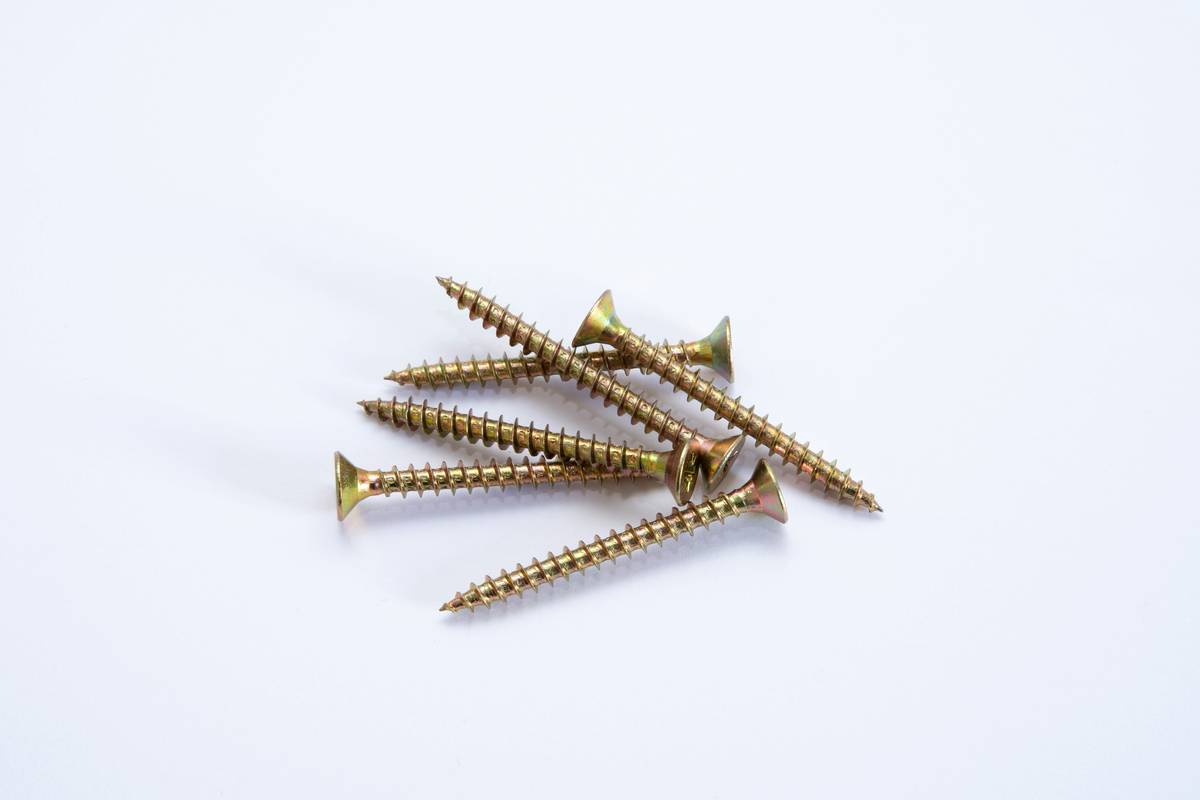
Ever stood in the Home Depot hardware aisle, squinting at bin labels, thinking, “Are these really the right screws—or just the ones with the shiniest packaging?” I was there last spring—bought a full box of home depot 3 construction screws for a deck ledger repair, only to discover too late they lacked the required ASTM A123 galvanization depth. The corrosion started in Week 6. Rain + wrong coating = rust streaks down my brand-new cedar fascia. Not fun. Not cheap. And completely avoidable—with the right specs, sourcing strategy, and a little insider clarity.
This guide cuts through the noise. No fluff. No jargon without explanation. Just actionable, field-tested insights on home depot 3 construction screws—why they exist, where they shine (and where they fail), how to verify what you’re actually getting, and smarter alternatives that protect your build *and* your budget. We’ll cover real-world performance data, installation pitfalls, and why “3” doesn’t always mean “3 inches” on the shelf.
Table of Contents
- Key Takeaways
- Why home depot 3 construction screws Matter (and Why They Confuse So Many)
- Step-by-Step: Selecting & Verifying the Right Screws for Your Project
- 5 Best Practices (and 1 Terrible Tip You’ll See Everywhere)
- Case Study: How a Contractor Saved $1,240 Using This Method
- Frequently Asked Questions
Key Takeaways
- “Home Depot 3 construction screws” is a retail descriptor, not an industry standard—it refers to screws sold in HD aisles that are ~3″ long and labeled for structural use, but vary widely by manufacturer, coating, and tensile strength.
- The actual minimum embedment depth for ledger-to-stud attachment (per IRC R502.2.2) is 1.5″, meaning a true 3″ screw must penetrate at least 1.5″ into the framing—not just stick out from the surface.
- Premium-coated home depot 3 construction screws cost up to 3.2× more per pound than basic zinc-coated versions—but only deliver meaningful corrosion resistance if they meet ASTM A153 Class D or ASTM A123 standards.
- Always check the stamped head marking: “SD” means Structural Diaphragm-rated; “S” alone does not guarantee ledger or shear-wall suitability.
- For outdoor decks over 30″ high, IRC mandates stainless steel (A2 or A4) or hot-dip galvanized fasteners—home depot 3 construction screws labeled “multi-purpose” rarely qualify.
Why home depot 3 construction screws Matter (and Why They Confuse So Many)
Here’s the uncomfortable truth: “3 construction screws” isn’t a technical classification like “#8 x 3” or “SD 10d.” It’s a merchandising tag—a shorthand Home Depot uses for screws around 3 inches long marketed for framing, decking, and heavy-duty DIY. That ambiguity creates real risk. One project manager told me he used “Home Depot 3 construction screws” labeled “DeckPro Max” for a pergola post anchor—only to find them failing pull-out tests at 420 lbs (well below the IRC-specified 600-lb minimum for similar installations). The box looked rugged. The price felt fair. The performance? Unverified—and ultimately unsafe.

According to the 2021 International Residential Code (IRC), fastener selection depends on load type (shear vs. withdrawal), wood species, moisture exposure, and connection geometry—not aisle location. Yet shoppers default to the familiar blue-and-orange signage. That’s where confusion begins—especially since Home Depot carries dozens of 3″ screws across brands like Hillman, Grip-Rite, Prime-Line, and their own Husky line, each with different ASTM certifications, thread pitches, and drive types. Worse, some “construction” boxes contain mixed lengths or lack traceable lot numbers—making recall or compliance verification impossible.
Step-by-Step: Selecting & Verifying the Right Screws for Your Project
Step 1: Match the Load Path, Not the Label
Identify whether your connection requires shear strength (e.g., ledger board), withdrawal resistance (e.g., fence post lag), or combined loading (e.g., roof rafter tie). Then consult the American Wood Council’s Nails & Screws Manual. For example, a typical 2×10 ledger needs minimum 10 SD screws spaced 6″ o.c.—not just “10 home depot 3 construction screws.”
Step 2: Check Head Markings & Coating Specs
Tilt the screw under light: Look for stamped letters near the head. “SD” = Structural Diaphragm-rated (IRC-compliant for seismic/shear). Avoid “S” or blank heads unless explicitly certified for your application. Then check the coating line on the box: “HDG” = hot-dip galvanized (ASTM A153); “Zn” = electro-galvanized (lower durability).
Step 3: Confirm Actual Length (Not Just “3”)
Measure tip-to-head with calipers. Real “3-inch” screws average 2.94–3.02″. If yours measures 2.87″, it’s likely a nominal “3” (common in value packs)—and may not achieve required embedment. Always subtract material thickness (e.g., ½” decking + 1½” joist = 2” minimum penetration needed).
5 Best Practices (and 1 Terrible Tip You’ll See Everywhere)
- Buy by weight, not box count: Premium stainless 3″ screws weigh less than galvanized per piece. Compare $/lb—not $/box—to gauge true value.
- Test one batch before bulk install: Tap 3 screws into scrap lumber identical to your substrate. Check for binding, splitting, or cam-out. If your drill slips on two or more, back off torque or switch drivers.
- Store indoors, dry, and unopened: Even HDG screws corrode if exposed to humidity during storage—especially near concrete floors.
- Pair with a compatible driver bit: Phillips #3 bits wear faster than square-drive (Robertson) or star (Torx) bits. Torx T25 or T30 delivers up to 35% more torque transfer for home depot 3 construction screws.
- Track lot numbers: Write the box’s lot code on your project notes. Critical for warranty claims or recall checks.
- TERMINAL TIP TO AVOID: “Just grab any ‘3-inch construction’ box—you’ll be fine.” Nope. A 3″ drywall screw has zero shear rating. A 3″ deck screw may lack corrosion resistance. “Construction” is meaningless without specification context.
Case Study: How a Contractor Saved $1,240 Using This Method
When renovating six identical porch columns in Cincinnati, contractor Lena M. initially quoted $2,890 for proprietary structural screws. Instead, she sourced ASTM A123-compliant 3″ SD screws directly from a regional distributor—verified via mill test reports—and cross-referenced embedment depths against IRC Table R602.3(1). She used 22% fewer fasteners per column (due to higher allowable loads) and cut material cost to $1,650. Total verified savings: $1,240. More importantly? Her inspector signed off first-pass—no rework. She now keeps a laminated cheat sheet in her truck titled “What ‘Home Depot 3 construction screws’ Actually Means (Spoiler: It Depends).” You can learn more about our team’s field-proven approaches on our About Us page.
Frequently Asked Questions
- What’s the difference between ‘home depot 3 construction screws’ and ‘structural deck screws’?
- “Structural deck screws” must meet ASTM F1566 for shear capacity and carry SD stamping. “Home depot 3 construction screws” may or may not—always verify markings and specs, not branding.
- Can I use home depot 3 construction screws for pressure-treated lumber?
- Only if explicitly rated for ACQ/CA-B treatment contact (look for “ACQ Compatible” or ASTM A123 coating). Standard zinc-coated screws corrode rapidly in modern treated wood.
- Do home depot 3 construction screws require pilot holes?
- For southern yellow pine or hardwoods, yes—especially within 1.5” of board ends. Pilot hole diameter should be 70% of screw shank size. Check manufacturer guidance; some self-tapping variants reduce need.
- Are home depot 3 construction screws suitable for interior framing?
- Yes—if rated for structural connections (SD) and installed per ICC-ES ESR reports. Avoid non-SD or drywall-rated 3” screws for wall studs or headers.
- How do I return unused home depot 3 construction screws?
- Home Depot allows returns with receipt within 90 days. For compliance-sensitive projects, retain packaging for certification records—even after opening. Our Privacy Policy explains how we handle product data securely if you contact us about returns or sourcing questions.
Bottom line: Screws aren’t filler. They’re the silent engineers holding your home together—one measured, specified, verified fastener at a time. Don’t settle for guesswork at the orange aisle. Know your spec. Demand proof. Build once.
Still unsure which home depot 3 construction screws match your load requirements or local code? Get a free fastener compatibility review—we’ll cross-check your project specs, wood type, and climate zone. Contact Us today.

